For adults of every age, normal blood pressure is below 130/85 mmHg, and under 120/80 is ideal. A reading of 140/90 or higher at the clinic, found again on another day, means high blood pressure (hypertension). At home the cut-off is lower: 135/85. Blood pressure often rises as people get older, but that makes high readings common in older people, not normal for them.
The numbers, from the Malaysian guideline
A reading has two numbers. The top one (systolic) is the pressure when your heart beats. The bottom one (diastolic) is the pressure between beats. Doctors in Malaysia use these categories from the national guideline on hypertension:
| Category | Top number | Bottom number | Malaysian adults in this range |
|---|---|---|---|
| Optimal | below 120 | and below 80 | 30.7% |
| Normal | 120 to 129 | and/or 80 to 84 | 25.3% |
| At risk | 130 to 139 | and/or 85 to 89 | 18.6% |
| Hypertension (high blood pressure) | |||
| Stage 1 | 140 to 159 | and/or 90 to 99 | 17.3% |
| Stage 2 | 160 to 179 | and/or 100 to 109 | 5.7% |
| Stage 3 | 180 or higher | and/or 110 or higher | 2.4% |
If your two numbers fall in different rows, the higher row counts. A reading of 135/78 is "at risk", because of the top number.
Does normal blood pressure change with age?
The cut-offs above are the same for every adult, from 18 to 80 and beyond. What changes with age is the target the doctor aims for once you are on treatment:
| Who | Treatment target |
|---|---|
| Adults under 80 | below 140/90 |
| Adults 80 and over | below 150/90 |
| Diabetes, kidney disease, heart disease or past stroke | often below 130/80, set by your doctor |
| Children and teenagers | read on charts by age, sex and height |
Children's blood pressure is lower than adults' and is checked against growth charts, so adult numbers do not apply to them.
Why so many people do not know they have it
High blood pressure has no symptoms for years. You feel fine while it slowly strains your heart, kidneys, eyes and blood vessels. The National Health and Morbidity Survey 2023 found that 29.2% of Malaysian adults have high blood pressure, and 11.9% of all adults have it without knowing. In October 2026 the Health Minister said more than 80% of Malaysians aged 18 to 29 with diabetes or high blood pressure did not know they had it.
The only way to know is to measure it. A good rule:
- Adults 18 to 39 with normal readings: check every 3 to 5 years.
- From age 40, or if you are overweight, smoke, have diabetes or a parent with high blood pressure: check every year.
- If a reading was "at risk" or higher: check again within a few weeks.
How to measure your blood pressure at home
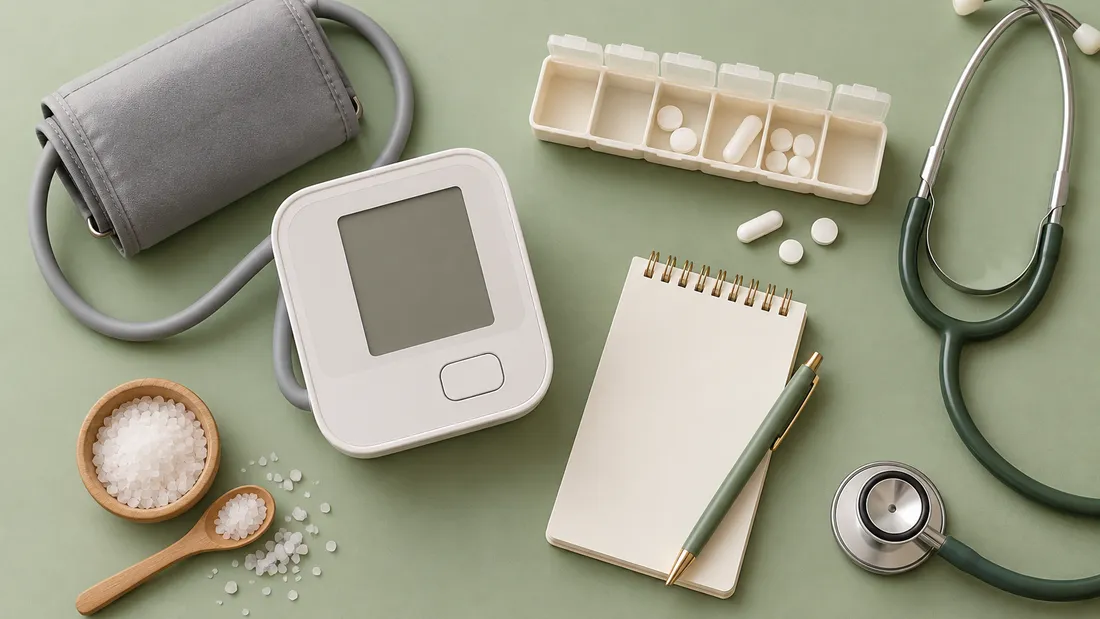
- Use an automatic upper-arm monitor. Wrist monitors are less accurate.
- No coffee, tea, smoking or exercise for 30 minutes before.
- Empty your bladder, then sit quietly for 5 minutes with your back supported and feet flat on the floor.
- Rest your arm on a table so the cuff is at the level of your heart. Do not talk.
- Take two readings one minute apart and write both down.
- Do this morning and evening for a week, then bring the list to the doctor.
Some people have high readings only at the clinic because they feel nervous. A week of home readings shows the doctor your real pattern.
Call 999 or go to a hospital emergency department if your reading is 180/110 or higher and you have:
- chest pain, or shortness of breath
- a sudden, severe headache
- weakness or numbness of the face, arm or leg on one side
- trouble speaking, confusion, or a sudden change in your eyesight
If the reading is 180/110 or higher and you feel well, rest quietly for 30 minutes and measure again. If it is still that high, see a doctor today.
What about low blood pressure?
Low blood pressure is a reading below 90/60. If you feel fine, it is usually nothing to worry about, and many healthy young people run low. See a doctor if you feel dizzy when you stand up, faint, or feel weak and tired all the time, or if you take blood pressure tablets and your readings have dropped.
If your reading is high
One high reading does not mean you have hypertension. The doctor confirms it with repeat readings on different days, or with your home readings. If it is confirmed, these changes bring blood pressure down:
- Less salt. Cut back on soy sauce, instant noodles, salted fish, processed meat and ready-made sauces.
- Move. 30 minutes of brisk walking, five days a week.
- Lose weight if you are overweight. Even 5 kg makes a difference.
- Drink less alcohol, and stop smoking.
Many people also need medicine, and it works best taken every day, even when you feel well. The doctor also checks your blood sugar, cholesterol and kidneys, because they affect your heart risk.
Walk in for a blood pressure check
We check blood pressure any hour of the day, and look after long-term blood pressure, diabetes and cholesterol care. Our check-up packages include blood sugar, cholesterol and kidney tests.
WhatsApp usor call 088-239 393See our medical check-up packages and blood tests.
Questions people ask
Is 130/80 a normal blood pressure?
Under the Malaysian guideline, a top number of 130 to 139 is in the "at risk" range. It is not hypertension yet, but it is a sign to cut salt, move more and check again in a few months.
Is 140/90 high blood pressure?
Yes, if it is found on more than one day. A single reading of 140/90 needs to be checked again before the doctor calls it hypertension.
What is a normal blood pressure for a 60-year-old?
The same as for any adult: below 130/85 is normal, and 140/90 or higher on repeat readings is high blood pressure.
Can stress raise my blood pressure?
Yes, for a while. Stress, pain, coffee and rushing to the clinic can all push a reading up. This is why the doctor repeats readings and often asks you to measure at home.

A general practitioner clinic for the whole family, from babies to grandparents. A doctor and a nurse are on duty every hour of every day, and you can walk in without an appointment. Meet the team
Sources
- Clinical Practice Guidelines: Management of Hypertension, 5th edition (2018), Ministry of Health Malaysia
- National Health and Morbidity Survey 2023 fact sheet, Institute for Public Health
- The Star, 6 October 2026: Over 80% of young Malaysians with diabetes, hypertension unaware of condition
- US Preventive Services Task Force: Hypertension in adults, screening
This article is general health information and does not replace a visit to the doctor. If you are worried about yourself or your child, see a doctor.