A normal blood sugar level is below 6.1 mmol/L after an overnight fast, and below 7.8 mmol/L when tested at any time without fasting. A normal HbA1c is below 5.7%. Under the Malaysian guideline, a fasting level of 7.0 mmol/L or higher, or an HbA1c of 6.3% or higher, means diabetes, and the numbers in between mean prediabetes. If you have no symptoms, the doctor needs two abnormal results before confirming diabetes.
The numbers, from the Malaysian guideline
A fasting blood sugar is taken after you have not eaten overnight. An oral glucose tolerance test (OGTT) checks it again 2 hours after a drink containing 75 g of glucose. HbA1c shows your average blood sugar over the past 3 months, so you do not need to fast for it. Doctors in Malaysia use these cut-offs from the national guideline on type 2 diabetes:
| Category | Fasting (mmol/L) | HbA1c | 2 hours into OGTT (mmol/L) |
|---|---|---|---|
| Normal | below 6.1 | below 5.7% | below 7.8 |
| Prediabetes | 6.1 to 6.9 | 5.7% to 6.2% | 7.8 to 11.0 |
| Diabetes | 7.0 or higher | 6.3% or higher | 11.1 or higher |
A random reading (taken any time without fasting) is normal below 7.8 mmol/L, and 11.1 or higher points to diabetes. With symptoms, one abnormal result is enough. Without symptoms, the doctor needs two: from one blood sample (such as blood sugar plus HbA1c) or from samples on different days.
HbA1c 6.3% or 6.5%: which cut-off does Malaysia use?
The NHS in the UK uses 6.5% (48 mmol/mol) as its line for a high HbA1c. Malaysia uses 6.3%, because the Metabolic Syndrome Study of Malaysia (2009) tested 4,400 adults and found that 6.3% gave the most accurate results across the country's three main ethnic groups, while 6.5% missed too many people. So an HbA1c of 6.4% is under the NHS line, but counts as diabetes here.
Does your meter show mg/dL? How to convert
Some home meters show mg/dL. To turn mg/dL into mmol/L, divide by 18.
| mg/dL | mmol/L | What it means |
|---|---|---|
| below 70 | below 3.9 | Low blood sugar (hypoglycaemia) |
| 110 | 6.1 | Prediabetes starts (fasting) |
| 126 | 7.0 | Diabetes range (fasting) |
| 140 | 7.8 | Normal limit (random or OGTT) |
| 200 | 11.1 | Diabetes range (random or OGTT) |
| 400 | 22.2 | Very high: see the warning box |
Do normal blood sugar levels change with age?
The cut-offs above are the same for every adult, though HbA1c is not used to diagnose diabetes in teenagers under 18. What changes with age and health is the treatment target once you have diabetes:
| Who | HbA1c target |
|---|---|
| Newly diagnosed, younger and healthy, low risk of low sugar | 6.5% or below |
| Most adults with diabetes | 7.0% or below |
| Older people, or those with serious heart, kidney or liver disease, dementia, or frequent lows | 7.1% to 8.0% |
At home, most people with diabetes aim for 4.4 to 7.0 mmol/L before meals, and 4.4 to 8.5 mmol/L at least 90 minutes after eating. Your doctor sets your own targets so your sugar does not drop too low.
Why so many people do not know they have diabetes
Up to half of people with diabetes have no symptoms. The National Health and Morbidity Survey 2023 found that 15.6% of Malaysian adults have diabetes, but only 9.7% know it. The other 5.9% have raised blood sugar without knowing, which is more than a third of everyone with diabetes. In October 2026 the Health Minister said over 80% of Malaysians aged 18 to 29 with diabetes or high blood pressure did not know it.
When symptoms do show, they include thirst, passing urine often (including at night), hunger, tiredness, blurred vision, weight loss without trying, and genital itching. Do not wait for them. The guideline advises a blood test every year for:
- every adult from age 30
- anyone overweight (BMI 23 or more, or a waist of 80 cm or more in women and 90 cm or more in men) with one more risk factor, such as diabetes in a parent, brother or sister, high blood pressure, inactivity or polycystic ovary syndrome (PCOS), even before 30
- women who had diabetes in pregnancy
- anyone with prediabetes
How to check your blood sugar at home
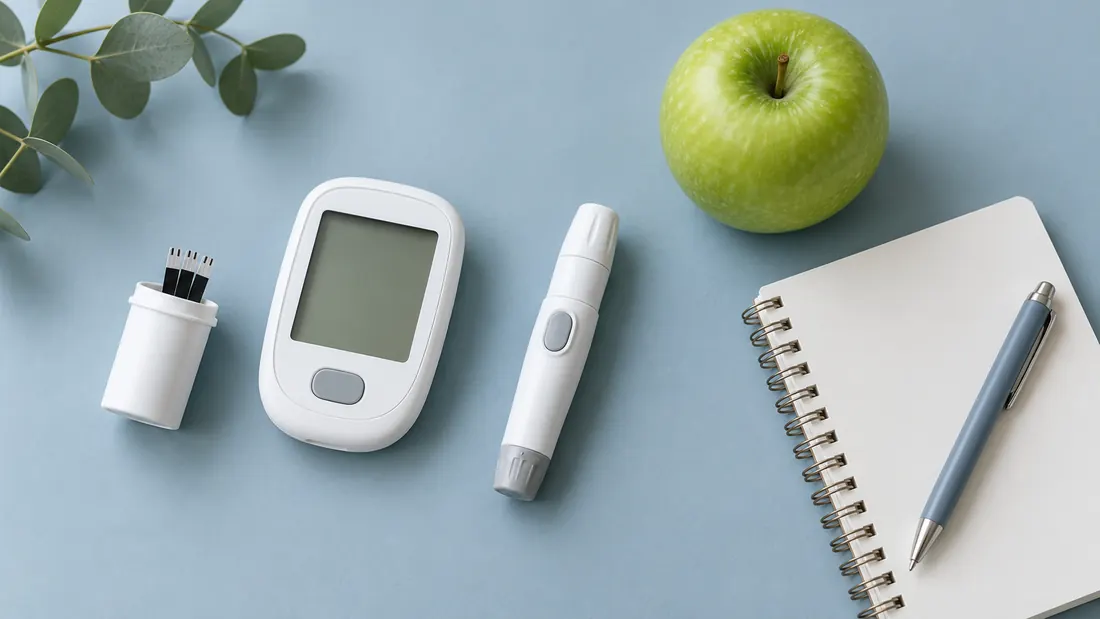
- Wash your hands with soap and warm water, and dry them well.
- For a fasting reading, test on waking, before eating or drinking anything but plain water.
- For an after-meal reading, test at least 90 minutes after eating.
- Write down each reading, the time and what you ate, and bring the list to the doctor.
A home meter is for keeping track. It cannot confirm diabetes. If it reads 5.6 mmol/L or more when fasting, or 7.8 or more at any time, get a confirming lab test: fasting blood sugar, OGTT or HbA1c.
Call 999 or go to a hospital emergency department if your blood sugar is high and you have:
- nausea, vomiting or stomach pain
- faster breathing than usual, or a racing heartbeat
- drowsiness, or trouble staying awake
- confusion, or trouble concentrating
- breath that smells fruity
These can be signs of diabetic ketoacidosis (DKA, where ketones build up in the blood) or hyperglycaemic hyperosmolar state (HHS, very high sugar with severe dehydration). Both are life-threatening. Do not drive yourself.
If your reading is very high, for example 22.2 mmol/L (400 mg/dL), but you feel well, see a doctor today.
Call 999 as well if someone with low blood sugar becomes unconscious or stops responding normally.
What about low blood sugar?
Low blood sugar (hypoglycaemia) is a reading below 3.9 mmol/L (70 mg/dL). It happens mostly to people on insulin or tablets such as gliclazide. Signs include shaking, sweating, a pounding heart, hunger and confusion. Take 15 g of fast-acting sugar, such as 1 tablespoon of honey or 150 to 200 ml of fruit juice. Check again after 15 minutes and repeat if still below 3.9, then eat your usual meal or snack. See a doctor if lows happen often, because your medicine may need to change.
If your reading is high
One high reading on a home meter does not mean you have diabetes. If you have prediabetes or diabetes, these changes bring blood sugar down:
- Swap sweet drinks for plain water. That includes teh tarik, sweet kopi, air sirap and soft drinks.
- Follow the Malaysian Healthy Plate: half vegetables and fruit, a quarter fish, chicken or beans, and a quarter rice, noodles or bread. Pick brown rice or wholemeal bread when you can.
- Move. 30 minutes of brisk walking, five days a week.
- Lose weight if you are overweight: at least 7% of your weight with prediabetes, and 5% to 10% with diabetes.
- Stop smoking.
On diabetes medicine: metformin is the first choice in the Malaysian guideline, and the doctor can add other medicines or insulin if you do not reach your target. Take it every day, even when you feel well, and do not change doses without asking the doctor.
Walk in for a blood sugar or HbA1c test
We do blood sugar and HbA1c tests in the clinic any hour, day or night, with no appointment. HbA1c needs no fasting. For a fasting blood sugar, we ask you to fast for 10 to 12 hours (plain water is fine). We also look after long-term diabetes, blood pressure and cholesterol care.
WhatsApp usor call 088-239 393See our blood sugar, HbA1c and other blood tests.
Questions people ask
What is the normal HbA1c range?
Below 5.7% (39 mmol/mol) is normal. Under the Malaysian guideline, 5.7% to 6.2% is prediabetes and 6.3% or higher is diabetes.
What is a normal fasting blood sugar?
Below 6.1 mmol/L (110 mg/dL). A fasting level of 6.1 to 6.9 is prediabetes, and 7.0 mmol/L or higher is in the diabetes range if a second test agrees.
How long should I fast before a blood sugar test?
The Malaysian guideline asks for at least 8 hours. Our clinic asks for 10 to 12 hours, with plain water allowed. An HbA1c test needs no fasting.
What should I do if my blood sugar is 400?
400 mg/dL is 22.2 mmol/L, which is very high. If you are vomiting, breathing fast, very drowsy or confused, call 999 or go to a hospital emergency department. If you feel well, see a doctor today.

A general practitioner clinic for the whole family, from babies to grandparents. A doctor and a nurse are on duty every hour of every day, and you can walk in without an appointment. Meet the team
Sources
- Clinical Practice Guidelines: Management of Type 2 Diabetes Mellitus, 6th edition (2020), Ministry of Health Malaysia
- National Health and Morbidity Survey 2023 fact sheet, Institute for Public Health
- The Star, 6 October 2026: Over 80% of young Malaysians with diabetes, hypertension unaware of condition
- NHS: High blood sugar (hyperglycaemia)
- NHS: Low blood sugar (hypoglycaemia)
This article is general health information and does not replace a visit to the doctor. If you are worried about yourself or your child, see a doctor.